


網址篩選服務可讓您使用輸出 HTTP 或 HTTPS 訊息中的網域和伺服器名稱指示 (SNI) 資訊,篩選 Google Cloud 工作負載流量。這項服務會封鎖與惡意網址清單的通訊,保護網路免於威脅。如要在網路上啟用這項服務,您必須設定多個 Cloud Next Generation Firewall 元件。本教學課程說明在網路中設定網址篩選服務的端對端工作流程。
目標
本教學課程將說明如何完成下列工作:
- 建立包含兩個子網路的虛擬私有雲 (VPC) 網路。
- 在虛擬私有雲網路的第一個子網路中建立伺服器虛擬機器 (VM) 執行個體,並在 VM 上安裝 Apache 伺服器。
- 在虛擬私有雲網路的第二個子網路中建立用戶端 VM 執行個體。
- 建立網址篩選安全性設定檔和安全性設定檔群組。
- 建立防火牆端點,並與虛擬私有雲網路建立關聯。
- 新增全域網路防火牆政策,並加入下列防火牆規則:
- 防火牆規則,可讓 Identity-Aware Proxy (IAP) 存取虛擬私有雲網路中的 VM 執行個體。
- 防火牆規則,可將所有輸出流量導向第 7 層檢查。
- 確認是否允許連往伺服器 VM 執行個體的流量。
- 清理資源。
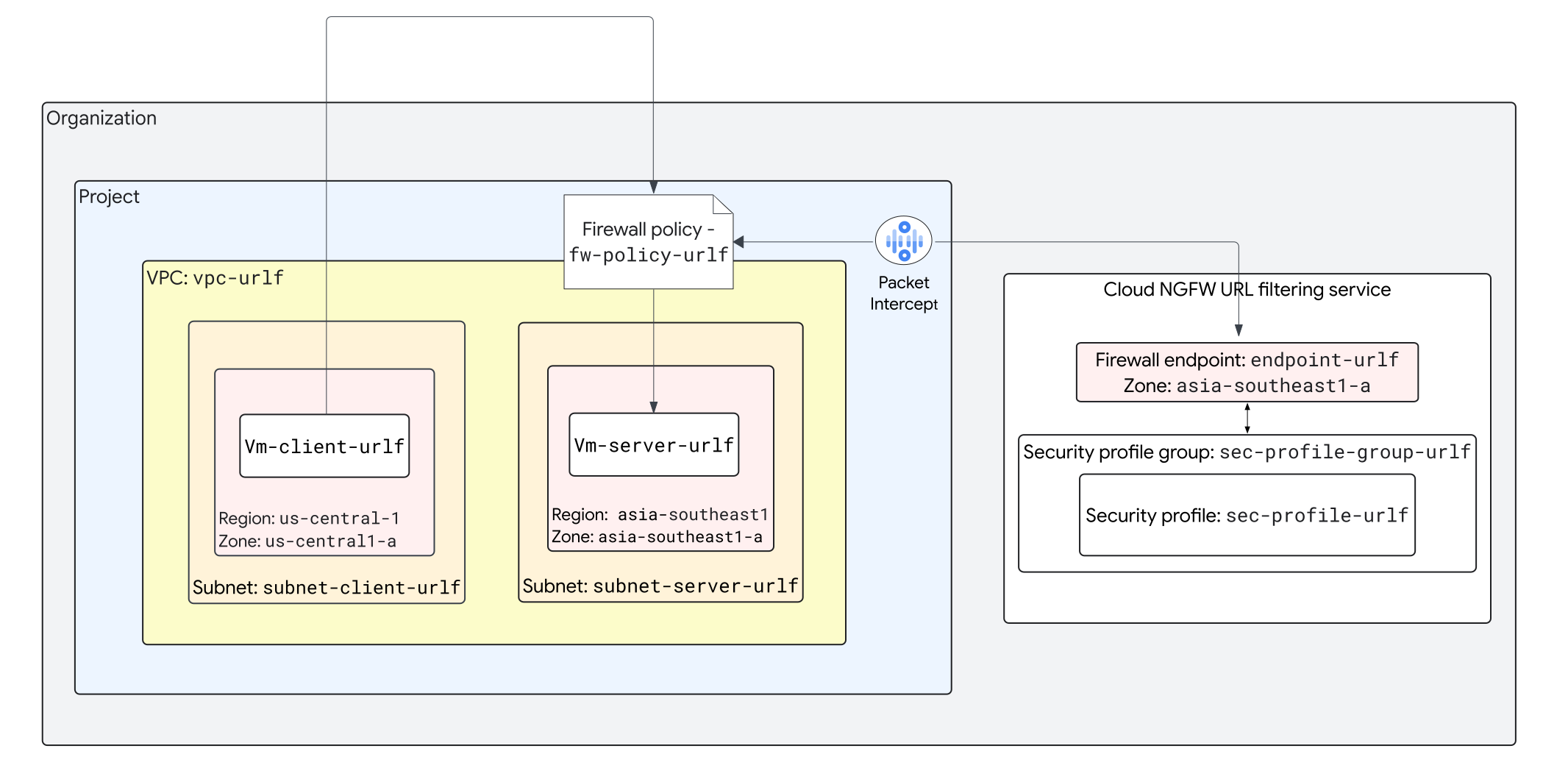
下圖顯示本教學課程中部署設定的大致架構。虛擬私有雲 fw-policy-urlf 上的防火牆政策 vpc-urlf 會將所有輸出流量重新導向至可用區 asia-southeast1-a 中的防火牆端點 endpoint-urlf。端點會檢查輸出 HTTP 或 HTTPS 訊息中的網域和 SNI 資訊,比對網址篩選安全性設定檔 sec-profile-urlf 中列出的網址。如果端點找到相符項目,就會允許流量;否則會拒絕。
費用
建立防火牆端點會產生費用。如需定價詳情,請參閱「Cloud Next Generation Firewall 定價」。
事前準備
- 登入 Google Cloud 帳戶。如果您是 Google Cloud新手,歡迎 建立帳戶,親自評估產品在實際工作環境中的成效。新客戶還能獲得價值 $300 美元的免費抵免額,可用於執行、測試及部署工作負載。
-
In the Google Cloud console, on the project selector page, select or create a Google Cloud project.
Roles required to select or create a project
- Select a project: Selecting a project doesn't require a specific IAM role—you can select any project that you've been granted a role on.
-
Create a project: To create a project, you need the Project Creator role
(
roles/resourcemanager.projectCreator), which contains theresourcemanager.projects.createpermission. Learn how to grant roles.
-
Verify that billing is enabled for your Google Cloud project.
-
In the Google Cloud console, on the project selector page, select or create a Google Cloud project.
Roles required to select or create a project
- Select a project: Selecting a project doesn't require a specific IAM role—you can select any project that you've been granted a role on.
-
Create a project: To create a project, you need the Project Creator role
(
roles/resourcemanager.projectCreator), which contains theresourcemanager.projects.createpermission. Learn how to grant roles.
-
Verify that billing is enabled for your Google Cloud project.
- 為專案啟用 Compute Engine API。
- 為專案啟用 Network Security API。
- 為專案啟用 Identity-Aware Proxy API。
- 具備機構的 Compute 網路管理員 (
roles/compute.networkAdmin) IAM 角色。 - 如果您希望透過指令列操作,請先安裝 Google Cloud CLI。如需該工具的概念與安裝資訊,請參閱 gcloud CLI 總覽。
注意:如果您先前沒有執行過 gcloud CLI,請先執行
gcloud init,初始化 gcloud CLI 目錄。
建立含子網路的自訂虛擬私有雲網路
在本節中,您將建立包含兩個 IPv4 子網路的自訂模式虛擬私有雲網路。
控制台
前往 Google Cloud 控制台的「VPC Networks」(虛擬私有雲網路) 頁面。
按一下「建立虛擬私有雲網路」。
在「Name」(名稱) 中輸入
vpc-urlf。在「說明」中輸入
VPC network to set up URL filtering service。在「子網路建立模式」部分,選取「自訂」。
在「New subnet」(新子網路) 部分,指定子網路的以下設定參數:
- Name (名稱):
subnet-server-urlf - Region (區域):SERVER_REGION
- IPv4 範圍:
10.0.0.0/24
- Name (名稱):
按一下「完成」。
按一下「Add subnet」(新增子網路),然後指定下列設定參數:
- Name (名稱):
subnet-client-urlf - Region (區域):CLIENT_REGION
- IPv4 範圍:
192.168.10.0/24
- Name (名稱):
按一下「完成」。
點選「建立」。
gcloud
如要建立虛擬私有雲網路,請執行下列指令:
gcloud compute networks create vpc-urlf \
  --subnet-mode custom \
  --description "VPC network to set up URL filtering service."
在「授權 Cloud Shell」對話方塊中,按一下「授權」。
如要建立子網路,請執行下列指令:
gcloud compute networks subnets create subnet-server-urlf \
  --network=vpc-urlf \
  --region=SERVER_REGION \
  --range=10.0.0.0/24
將
SERVER_REGION替換為建立子網路的區域。如要建立另一個子網路,請執行下列指令:
gcloud compute networks subnets create subnet-client-urlf \
  --network=vpc-urlf \
  --region=CLIENT_REGION \
  --range=192.168.10.0/24
將
CLIENT_REGION替換為建立子網路的區域。
建立 Cloud Router 和 Cloud NAT 閘道
在下一節中建立沒有公開 IPv4 位址的用戶端和伺服器 Linux VM 執行個體之前,您必須建立 Cloud Router 和 Cloud NAT 閘道,讓這些 VM 存取公用網際網路。
控制台
前往 Google Cloud 控制台的「Cloud NAT」頁面。
按一下「開始使用」或「建立 Cloud NAT 閘道」。
在「Gateway name」(閘道名稱) 中輸入
gateway-urlf。在「NAT type」(NAT 類型) 中,選取「Public」(公開)。
在「Select Cloud Router」部分,指定下列設定參數:
- 「Network」(網路):
vpc-urlf - 區域:SERVER_REGION
- Cloud Router:建立新的路由器。
- 在「Name」(名稱) 中輸入
router-urlf。 - 點選「建立」。
- 在「Name」(名稱) 中輸入
- 「Network」(網路):
點選「建立」。
gcloud
如要建立 Cloud Router,請執行下列指令:
gcloud compute routers create router-urlf \
  --network=vpc-urlf \
  --region=SERVER_REGION
將
SERVER_REGION替換為建立 Cloud Router 的區域。如要建立 Cloud NAT 閘道,請執行下列指令:
gcloud compute routers nats create gateway-urlf \
  --router=router-urlf \
  --region=SERVER_REGION \
  --auto-allocate-nat-external-ips \
  --nat-all-subnet-ip-ranges
將
SERVER_REGION替換為建立 Cloud NAT 閘道的區域。
建立 VM 執行個體
在本節中,您將建立伺服器和用戶端 VM 執行個體。如要查看建立 VM 執行個體所需的權限和角色,請參閱「必要的角色」。
建立伺服器 VM 執行個體
在本節中,您會在子網路 subnet-server-urlf 中建立 VM 執行個體,並在該執行個體上安裝 Apache 伺服器。
控制台
前往 Google Cloud 控制台的「Create an instance」(建立執行個體) 頁面。
在「機器設定」窗格中,執行下列操作:
- 在「Name」(名稱) 中輸入
vm-server-urlf。 - 在「Region」(區域) 中選取 SERVER_REGION。
- 在「Zone」(可用區) 中選取 SERVER_ZONE。
- 在「Name」(名稱) 中輸入
在導覽選單中,按一下「OS and Storage」(OS 和儲存空間)。
在「Operating system and storage」(作業系統和儲存空間) 專區中,確認「映像檔」為「Debian GNU/Linux 12 (bookworm)」。如果不是,請按一下「變更」,然後將「作業系統」欄位設為「Debian」,並將「版本」欄位設為「Debian GNU/Linux 12 (bookworm)」。
在導覽選單中,按一下「網路」。
- 在「網路介面」部分,指定下列設定參數:
- 「Network」(網路):
vpc-urlf - 「Subnetwork」(子網路):
subnet-server-urlf IPv4 (10.0.0.0/24) - 外部 IPv4 位址:
None
- 「Network」(網路):
- 按一下「完成」。
- 在「網路介面」部分,指定下列設定參數:
在導覽選單中,按一下「進階」,並在「自動化」部分的「開機指令碼」欄位中輸入下列指令碼:
#! /bin/bash apt update apt -y install apache2 cat <<EOF > /var/www/html/index.html <html><body><p>Hello world.</p></body></html> EOF點選「建立」。
gcloud
如要建立伺服器 VM,請執行下列指令:
gcloud compute instances create vm-server-urlf \
    --network=vpc-urlf \
    --zone=SERVER_ZONE \
    --network-interface=stack-type=IPV4_ONLY,subnet=subnet-server-urlf,no-address \
    --image-project=debian-cloud \
    --image-family=debian-12 \
    --metadata=startup-script='#! /bin/bash
     apt update
     apt -y install apache2
     cat <<EOF > /var/www/html/index.html
     <html><body><p>Hello World.</p></body></html>
     EOF'
將 SERVER_ZONE 替換為建立伺服器 VM 執行個體的可用區。
如要為伺服器 VM 使用網域網址,請按照下列步驟操作:
- 如果沒有已註冊的網域,請註冊網域名稱。
- 使用 Cloud DNS 設定網域。
建立用戶端 VM 執行個體
在本節中,您會在子網路 subnet-client-urlf 中建立 VM 執行個體。
控制台
前往 Google Cloud 控制台的「Create an instance」(建立執行個體) 頁面。
在「機器設定」窗格中,執行下列操作:
- 在「Name」(名稱) 中輸入
vm-client-urlf。 - 在「Region」(區域) 中選取 CLIENT_REGION。
- 在「Zone」(可用區) 中選取 CLIENT_ZONE。
- 在「Name」(名稱) 中輸入
在導覽選單中,按一下「網路」。
- 在「網路介面」部分,指定下列設定參數:
- 「Network」(網路):
vpc-urlf - 「Subnetwork」(子網路):
subnet-client-urlf IPv4 (192.168.10.0/24) - 外部 IPv4 位址:
None
- 「Network」(網路):
- 按一下「完成」。
- 在「網路介面」部分,指定下列設定參數:
點選「建立」。
gcloud
如要建立用戶端 VM,請執行下列指令:
gcloud compute instances create vm-client-urlf \
    --network=vpc-urlf \
    --zone=CLIENT_ZONE \
    --network-interface=stack-type=IPV4_ONLY,subnet=subnet-client-urlf,no-address
將 CLIENT_ZONE 替換為建立用戶端 VM 執行個體的區域。
建立網址篩選安全性設定檔
在本節中,您將在貴機構中建立 url-filtering 類型的安全性設定檔。如要查看建立網址篩選安全性設定檔所需的權限和角色,請參閱「建立網址篩選安全性設定檔」。
控制台
前往 Google Cloud 控制台的「Security profiles」(安全性設定檔) 頁面。
在專案選取器選單中,選取您的機構。
選取「安全性設定檔」分頁標籤。
按一下 Create profile。
在「Name」(名稱) 中輸入
sec-profile-urlf。在「說明」中輸入
Security profile to set up URL filtering service。在「用途」部分中,選取「Cloud NGFW Enterprise」,指定要建立與防火牆相關聯的安全設定檔。
在「類型」部分,選取「網址篩選」,指定要建立
url-filtering類型的安全性設定檔。在「網址篩選器」部分,按一下「建立網址篩選器」按鈕,即可建立新的網址篩選器。在「建立網址篩選器」窗格中,指定下列詳細資料:
- 優先順序:指定網址篩選器的優先順序。例如:
1000。 - 動作:指定「允許」,允許流量流向伺服器 VM 執行個體。
- 網址清單:指定伺服器 VM 執行個體的網域網址。例如:
www.example.com。
- 優先順序:指定網址篩選器的優先順序。例如:
點選「建立」。
gcloud
建立 YAML 檔案,並填入下列安全性設定檔內容:
name: sec-profile-urlf
type: url-filtering
urlFilteringProfile:
  urlFilters:
    - filteringAction: ALLOW
      priority: 1000
      urls: URL
如要使用 YAML 檔案建立安全性設定檔,請執行下列指令:
gcloud network-security security-profiles import sec-profile-urlf \
    --location global \
    --source FILE_NAME \
    --organization ORGANIZATION_ID \
更改下列內容:
URL:伺服器 VM 執行個體的網域網址。例如:www.example.com。FILE_NAME:您建立的 YAML 檔案名稱。ORGANIZATION_ID:建立安全設定檔的機構。
建立安全性設定檔群組
在本節中,您將建立安全性設定檔群組,納入上一節建立的網址篩選安全性設定檔。如要查看建立安全性設定檔群組所需的權限和角色,請參閱「建立安全性設定檔群組」。
控制台
前往 Google Cloud 控制台的「Security profiles」(安全性設定檔) 頁面。
在專案選取器選單中,選取您的機構。
選取「安全性設定檔群組」分頁標籤。
按一下「建立設定檔群組」。
在「Name」(名稱) 中輸入
sec-profile-group-urlf。在「說明」中輸入
Security profile group to set up URL filtering service。如要為 Cloud Next Generation Firewall Enterprise 建立安全性設定檔群組,請在「用途」部分選取「Cloud NGFW Enterprise」。
在「網址篩選設定檔」清單中,選取「
sec-profile-urlf」。點選「建立」。
gcloud
如要建立安全性設定檔群組,請執行下列指令:
gcloud network-security security-profile-groups \
    create sec-profile-group-urlf \
    --organization ORGANIZATION_ID \
    --location global \
    --project PROJECT_ID \
    --url-filtering-profile  \
    organizations/ORGANIZATION_ID/locations/global/securityProfiles/sec-profile-urlf \
    --description "Security profile group to set up URL filtering service."
更改下列內容:
ORGANIZATION_ID:建立安全設定檔群組的機構。PROJECT_ID:用於安全設定檔群組的配額和存取限制的專案 ID。
建立防火牆端點
在本節中,您將在特定區域建立防火牆端點。如要查看建立防火牆端點所需的權限和角色,請參閱「建立防火牆端點」。
注意:建立防火牆端點時,防火牆端點的狀態會設為 Creating。防火牆端點就緒後,狀態會變更為 Active。您可以查看端點,確認端點狀態。
控制台
前往 Google Cloud 控制台的「Firewall endpoints」(防火牆端點) 頁面。
在專案選取器選單中,選取您的機構。
點選「建立」。
在「Region」(區域) 清單中選取「SERVER_REGION」。
在「Zone」(可用區) 清單中選取「SERVER_ZONE」。
在「Name」(名稱) 中輸入
endpoint-urlf。在「帳單專案」清單中,選取要用於防火牆端點帳單的 Google Cloud 專案,然後按一下「繼續」。
點選「建立」。
gcloud
如要建立防火牆端點,請執行下列指令:
gcloud network-security firewall-endpoints \
    create endpoint-urlf \
    --organization=ORGANIZATION_ID \
    --zone=SERVER_ZONE \
    --billing-project=PROJECT_ID
更改下列內容:
ORGANIZATION_ID:建立防火牆端點的機構。SERVER_ZONE:建立防火牆端點的可用區。PROJECT_ID:用於防火牆端點帳單的專案 ID。
建立防火牆端點關聯
在本節中,您會將防火牆端點與先前建立的虛擬私有雲網路建立關聯。如要查看建立防火牆端點關聯所需的權限和角色,請參閱「建立防火牆端點關聯」。
注意:建立防火牆端點關聯時,其狀態會設為 Creating。防火牆端點關聯準備就緒後,狀態會變更為 Active。您可以查看端點關聯,確認端點狀態。
控制台
前往 Google Cloud 控制台的「VPC Networks」(虛擬私有雲網路) 頁面。
按一下
vpc-urlf網路,顯示其「虛擬私有雲網路詳細資料」頁面。選取「防火牆端點」分頁標籤。
按一下「建立端點關聯」。
在「Region」(區域) 清單中選取「SERVER_REGION」。
在「Zone」(可用區) 清單中選取「SERVER_ZONE」。
在「Firewall endpoint」(防火牆端點) 清單中,選取「
endpoint-urlf」。點選「建立」。
gcloud
如要建立防火牆端點關聯,請執行下列指令:
gcloud network-security firewall-endpoint-associations \
    create endpoint-association-urlf \
    --endpoint=organizations/ORGANIZATION_ID/locations/SERVER_ZONE/firewallEndpoints/endpoint-urlf \
    --network=vpc-urlf \
    --zone=SERVER_ZONE \
    --project=PROJECT_ID
更改下列內容:
ORGANIZATION_ID:建立防火牆端點的機構。SERVER_ZONE:建立防火牆端點關聯的可用區。PROJECT_ID:建立關聯的專案 ID。
建立全域網路防火牆政策
在本節中,您會建立全域網路防火牆政策,其中包含下列兩項防火牆規則:
- 優先順序為
100的輸入防火牆規則,允許 TCP 流量傳輸至通訊埠22。這項規則可讓 IAP 存取虛擬私有雲網路中的 VM 執行個體。 - 優先順序為
200的輸出防火牆規則,可對特定可用區中伺服器 VM 的輸出流量執行第 7 層檢查。
如要查看建立全域網路防火牆政策及其規則所需的權限和角色,請參閱「建立全域網路防火牆政策」、「為 VM 目標建立連入規則」和「為 VM 目標建立連出規則」。
控制台
前往 Google Cloud 控制台的「Firewall policies」(防火牆政策) 頁面。
在專案選取器清單中,選取機構內的專案。
按一下「建立防火牆政策」。
在「Policy Name」(政策名稱) 中輸入
fw-policy-urlf。在「政策類型」部分,選取「虛擬私有雲政策」。
在「部署範圍」部分,選取「全域」。
依序點選「繼續」和「建立防火牆規則」。
在「Priority」(優先順序) 欄位中輸入
100。在「Direction of traffic」(流量方向) 中選取 [Ingress] (輸入)。
在「Action on match」(相符時執行的動作) 中選取 [Allow] (允許)。
在「記錄」部分選取「已啟用」。
在「來源」篩選器中選取「IPv4」,然後在「IP 範圍」欄位中輸入
35.235.240.0/20。在「Protocols and ports」(通訊協定和通訊埠) 部分,選取「Specified protocols and ports」(指定的通訊協定和通訊埠)。
選取「TCP」,然後在「Ports」中輸入
22。點選「建立」。
按一下「Create firewall rule」(建立防火牆規則)。
在「Priority」(優先順序) 欄位中輸入
200。在「Direction of traffic」(流量方向) 中選取「Egress」(輸出)。
在「相符時執行的動作」中,選取「套用安全性設定檔群組」。
在「Security profile group」(安全性設定檔群組) 清單中,選取「
sec-profile-group-urlf」。在「記錄」部分選取「已啟用」。
在「目的地」篩選器中選取「IPv4」,然後在「IP 範圍」欄位中輸入
0.0.0.0/0。在「Protocols and ports」(通訊協定和通訊埠) 部分,選取「Specified protocols and ports」(指定的通訊協定和通訊埠)。
選取「TCP」,然後在「Ports」中輸入
80, 443。點選「建立」。
按一下「繼續」,前往「新增鏡像規則」部分。
再次按一下「繼續」,開啟「將政策與聯播網建立關聯」部分。
選取
vpc-urlf網路。按一下「關聯」。
點選「建立」。
gcloud
如要建立全域網路防火牆政策,請執行下列指令:
gcloud compute network-firewall-policies \
  create fw-policy-urlf \
  --global \
  --project PROJECT_ID
更改下列內容:
PROJECT_ID:建立全域網路防火牆政策的專案 ID。
如要新增防火牆規則來啟用 IAP 存取權,請執行下列指令:
gcloud compute network-firewall-policies rules create 100 \
  --firewall-policy fw-policy-urlf \
  --direction INGRESS \
  --action ALLOW \
  --src-ip-ranges 35.235.240.0/20 \
  --layer4-configs tcp:22 \
  --global-firewall-policy \
  --enable-logging
如要新增防火牆規則,啟用網址篩選的第 7 層檢查,請執行下列指令:
gcloud compute network-firewall-policies rules create 200 \
  --direction EGRESS \
  --firewall-policy fw-policy-urlf \
  --action apply_security_profile_group \
  --dest-ip-ranges 0.0.0.0/0 \
  --layer4-configs tcp:80, tcp:443 \
  --global-firewall-policy \
  --security-profile-group \
  //networksecurity.googleapis.com/organizations/ORGANIZATION_ID \
  /locations/global/securityProfileGroups/sec-profile-group-urlf \
  --enable-logging
更改下列內容:
ORGANIZATION_ID:建立安全設定檔群組的機構。
如要將防火牆政策與虛擬私有雲網路建立關聯,請執行下列指令:
gcloud compute network-firewall-policies associations create \
 --firewall-policy fw-policy-urlf \
 --network vpc-urlf \
 --name fw-pol-association-urlf \
 --global-firewall-policy \
 --project PROJECT_ID
更改下列內容:
PROJECT_ID:建立 VPC 關聯的專案 ID。
測試設定
在本節中,您將產生流量,並由端點攔截,藉此測試設定。系統會套用全域網路防火牆政策,執行第 7 層檢查。
控制台
前往 Google Cloud 控制台的「VM instances」(VM 執行個體) 頁面。
在
vm-client-urlfVM 的「連線」欄中,按一下「SSH」。在「SSH-in-browser」(直接透過瀏覽器進行 SSH 連線) 對話方塊中,按一下「Authorize」(授權),然後等待連線建立。
如要確認是否允許對伺服器 VM 執行個體提出要求,請執行下列指令:
curl URL -m 2
將
URL替換為vm-server-urlf伺服器 VM 執行個體的網域網址。例如:www.example.com。由於網址篩選器 (優先順序為
1000) 允許封包,因此要求成功。關閉「SSH-in-browser」(透過瀏覽器進行 SSH 連線) 對話方塊。
gcloud
如要連線至
vm-client-urlfVM,請執行下列指令:gcloud compute ssh vm-client-urlf \ --zone=CLIENT_ZONE \ --tunnel-through-iap
將
CLIENT_ZONE替換為用戶端 VM 執行個體所在的區域。系統提示時,請按下 Y 確認,然後按下 Enter 鍵。
如要確認是否允許對伺服器 VM 執行個體提出要求,請執行下列指令:
curl URL -m 2
將
URL替換為vm-server-urlf伺服器 VM 執行個體的網域網址。例如:www.example.com。由於網址篩選器 (優先順序為
1000) 允許封包,因此要求成功。如要關閉「透過瀏覽器建立 SSH 連線」,請輸入
exit。
查看網址篩選服務記錄
- 前往「Logs Explorer」。
在「Query」(查詢) 窗格中輸入下列查詢。將
PROJECT_ID替換為專案 ID。resource.type="networksecurity.googleapis.com/FirewallEndpoint" logName="projects/PROJECT_ID/logs/networksecurity.googleapis.com%2Ffirewall_url_filter"
清除所用資源
如要避免系統向您的 Google Cloud 帳戶收取本教學課程所用資源的費用,請刪除含有相關資源的專案,或者保留專案但刪除個別資源。
在本節中,您將刪除在本教學課程中建立的資源。
刪除防火牆端點關聯
控制台
前往 Google Cloud 控制台的「VPC Networks」(虛擬私有雲網路) 頁面。
按一下
vpc-urlf網路,顯示其「虛擬私有雲網路詳細資料」頁面。選取「防火牆端點」分頁標籤。這個分頁會列出已設定的防火牆端點關聯。
勾選
endpoint-association-urlf旁的核取方塊,然後按一下「刪除」。再按一下 [刪除] 加以確認。
gcloud
如要刪除防火牆端點關聯,請執行下列指令:
gcloud network-security firewall-endpoint-associations \
    delete endpoint-association-urlf \
    --zone=SERVER_ZONE
將 SERVER_ZONE 替換為防火牆端點關聯所在的區域。
刪除防火牆端點
控制台
前往 Google Cloud 控制台的「Firewall endpoints」(防火牆端點) 頁面。
選取「
endpoint-urlf」,然後按一下「刪除」。再按一下 [刪除] 加以確認。
gcloud
如要刪除防火牆端點,請執行下列指令:
gcloud network-security firewall-endpoints delete endpoint-urlf \
    --organization=ORGANIZATION_ID \
    --zone=SERVER_ZONE
更改下列內容:
ORGANIZATION_ID:建立端點的機構。SERVER_ZONE:端點所在的可用區。
刪除全域網路防火牆政策
控制台
前往 Google Cloud 控制台的「Firewall policies」(防火牆政策) 頁面。
在專案選取器選單中,選取含有政策的專案。
按一下 [
fw-policy-urlf]。按一下「關聯項目」分頁標籤。
選取所有關聯。
按一下「移除關聯項目」。
移除所有關聯後,按一下「刪除」。
gcloud
如要移除防火牆政策與 VPC 網路之間的關聯,請執行下列指令:
gcloud compute network-firewall-policies associations delete \
  --name fw-pol-association-urlf \
  --firewall-policy fw-policy-urlf \
  --global-firewall-policy
刪除防火牆政策。
gcloud compute network-firewall-policies delete fw-policy-urlf --global
系統提示時,請按下 Y 確認,然後按下 Enter 鍵。
刪除安全性設定檔群組
控制台
前往 Google Cloud 控制台的「Security profiles」(安全性設定檔) 頁面。
選取「安全性設定檔群組」分頁標籤。
選取「
sec-profile-group-urlf」,然後按一下「刪除」。再按一下 [刪除] 加以確認。
gcloud
如要刪除安全性設定檔群組,請執行下列指令:
gcloud network-security security-profile-groups \
    delete sec-profile-group-urlf \
    --organization ORGANIZATION_ID \
    --location global
更改下列內容:
ORGANIZATION_ID:建立安全性設定檔群組的機構。
刪除網址篩選安全性設定檔
控制台
前往 Google Cloud 控制台的「Security profiles」(安全性設定檔) 頁面。
選取「安全性設定檔」分頁標籤。這個分頁會顯示已設定的安全設定檔清單。
選取「
sec-profile-urlf」,然後按一下「刪除」。再按一下 [刪除] 加以確認。
gcloud
如要刪除安全性設定檔,請執行下列指令:
gcloud network-security security-profiles url-filtering \
    delete sec-profile-urlf \
    --organization ORGANIZATION_ID \
    --location global
更改下列內容:
ORGANIZATION_ID:建立安全設定檔的機構。
刪除 VM
控制台
前往 Google Cloud 控制台的「VM instances」(VM 執行個體) 頁面。
勾選
vm-client-urlf和vm-server-urlfVM 的核取方塊。點選「刪除」。
在「Delete 2 instances」(刪除 2 個執行個體) 對話方塊中,按一下「Delete」(刪除)。
gcloud
如要刪除
vm-client-urlfVM,請執行下列指令:gcloud compute instances delete vm-client-urlf \ --zone=CLIENT_ZONE
將
CLIENT_ZONE替換為用戶端 VM 執行個體所在的區域。系統提示時,請按下 Y 確認,然後按下 Enter 鍵。
如要刪除
vm-server-urlfVM,請執行下列指令:gcloud compute instances delete vm-server-urlf \ --zone=SERVER_ZONE
將
SERVER_ZONE替換為伺服器 VM 執行個體所在的區域。系統提示時,請按下 Y 確認,然後按下 Enter 鍵。
刪除 Cloud NAT 閘道和 Cloud Router
控制台
前往 Google Cloud 控制台的「Cloud NAT」頁面。
勾選
gateway-urlf閘道設定旁的核取方塊。在「選單」中,按一下「刪除」。
前往 Google Cloud 控制台的「Cloud Router」頁面。
勾選
router-urlf路由器旁的核取方塊。點選「刪除」。
gcloud
如要刪除 Cloud NAT 閘道,請執行下列指令:
gcloud compute routers nats delete gateway-urlf \
  --router=router-urlf \
  --region=SERVER_REGION
將
SERVER_REGION替換為 Cloud NAT 閘道所在的區域。如要刪除 Cloud Router,請執行下列指令:
gcloud compute routers delete router-urlf \
  --project=PROJECT_ID \
  --region=SERVER_REGION
更改下列內容:
PROJECT_ID:包含 Cloud Router 的專案 ID。SERVER_REGION:Cloud Router 的區域。
刪除虛擬私有雲網路和子網路
控制台
前往 Google Cloud 控制台的「VPC Networks」(虛擬私有雲網路) 頁面。
在「Name」(名稱) 欄中,按一下
vpc-urlf。按一下「刪除虛擬私有雲網路」。
在「刪除網路」對話方塊中,按一下「刪除」。
刪除 VPC 時,也會一併刪除子網路。
gcloud
如要刪除
vpc-urlf虛擬私有雲網路的子網路subnet-client-urlf,請執行下列指令:gcloud compute networks subnets delete subnet-client-urlf \ --region=CLIENT_REGION
將
CLIENT_REGION替換為子網路所在的區域。
系統提示時,請按下 Y 確認,然後按下 Enter 鍵。
如要刪除
vpc-urlf虛擬私有雲網路的子網路subnet-server-urlf,請執行下列指令:gcloud compute networks subnets delete subnet-server-urlf \ --region=SERVER_REGION
將
SERVER_REGION替換為子網路所在的區域。系統提示時,請按下 Y 確認,然後按下 Enter 鍵。
如要刪除
vpc-urlf虛擬私有雲網路,請執行下列指令:gcloud compute networks delete vpc-urlf
刪除 DNS 區域
後續步驟
- 如要瞭解網址篩選的概念資訊,請參閱「網址篩選服務總覽」。
- 如要瞭解防火牆政策的概念資訊,請參閱「防火牆政策和規則」。
- 如要瞭解防火牆政策規則的概念資訊,請參閱「防火牆政策規則組成部分」。
- 如要瞭解費用,請參閱「Cloud NGFW 定價」。